Vamana is one of the five classical detoxification therapies in Ayurveda, known as Panchakarma. It is a bio-cleansing procedure mainly designed to expel the vitiated Kapha dosha (the body humor responsible for stability, lubrication, and immunity) from the upper part of the body through controlled vomiting. This therapy helps eliminate accumulated toxins (ama) and excess Kapha from the stomach and respiratory tract, thereby restoring the natural balance of the body. It is particularly beneficial in conditions like asthma, chronic cold, sinusitis, allergies, psoriasis, eczema, obesity, and digestive disorders.
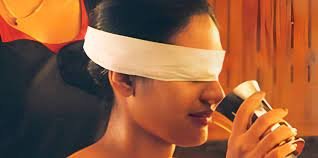
This is the main therapeutic emesis done under professional supervision after preparatory procedures like Snehana (oleation) and Swedana (sudation). The goal is to expel aggravated Kapha completely.
A mild form of Vamana used to control minor Kapha imbalance without complete purgation.
When emesis is not adequately induced and Kapha is not fully expelled, leading to partial cleansing.
Overinduced vomiting beyond required limits, which can cause dehydration or weakness.
Vamana is indicated in diseases or conditions where Kapha dosha and ama (toxins) are predominant. Common causative factors include:
A constant feeling of heaviness and tightness in the chest due to accumulated Kapha and toxins.
Continuous nausea with excessive saliva indicates aggravated Kapha moving upward, preparing the body for therapeutic emesis.
Thick white tongue coating and reduced hunger reflect weak digestion and toxin buildup in the upper digestive tract.
Blocked respiratory passages with mucus, causing cough, breathing difficulty, and heaviness, suggesting excessive Kapha accumulation.
The body feels tired and mind sluggish, showing Kapha imbalance and the need for cleansing through Vamana therapy.
Before performing Vamana, the physician ensures the patient’s body is properly prepared and fit for the procedure. This includes:
Snehana (Internal and External Oleation): Using medicated ghee/oil to loosen and mobilize toxins.
Swedana (Sudation Therapy): Inducing sweating to further liquefy and move toxins toward the stomach.
Patient consumes Kapha-aggravating foods like milk, curd, rice, or sweets the night before to ensure adequate Kapha collection for expulsion.
Copyright © 2025 – Designed by Camsol Advertising