Basti is one of the five main detoxification therapies of Panchakarma and is considered the most effective treatment for Vata dosha disorders. In Ayurveda, Vata is the principle that controls movement, nervous system function, and circulation in the body.
Basti involves the administration of medicated substances such as oils, ghee, or herbal decoctions into the rectum, allowing direct absorption of healing medicines through the colon. This therapy nourishes, detoxifies, and balances the body’s systems, acting both locally and systemically.
It is beneficial for joint pain, constipation, arthritis, back pain, sciatica, paralysis, neurological disorders, and reproductive health issues. Basti is often called the half of Panchakarma, as it can address a wide range of diseases caused by Vata imbalance.
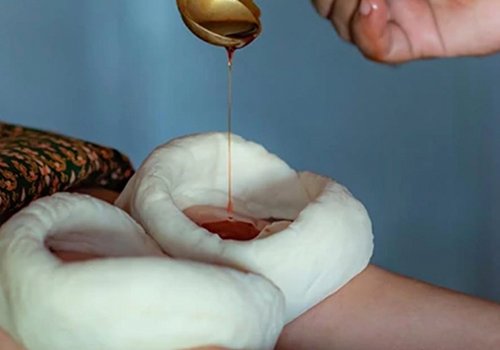
# Uses medicated oil or ghee.
# Nourishes and lubricates the body tissues, relieves dryness, and strengthens the nervous system.
# Typically given after meals or alternately with Niruha Basti.
# Uses herbal decoctions mixed with honey, salt, and ghee.
# Primarily detoxifies the colon, expels toxins, and balances Vata and Pitta.
# Usually given on an empty stomach.
Excessive dryness, roughness, or lack of natural oil in the skin and body tissues indicate aggravated Vata needing Basti.
Reduced nerve function, trembling, or lack of physical strength are improved through the nourishing effects of Basti.
Pain, cracking sounds, and stiffness in joints or the lower back are classic signs of Vata imbalance.
Disorders like arthritis, spondylosis, or muscle wasting due to Vata imbalance benefit greatly from regular Basti therapy.
Weakness, disturbed sleep, and restlessness arise from Vata aggravation; Basti promotes deep relaxation and energy balance.
Medicated oils or ghee are administered internally and applied externally to lubricate the body. This helps loosen toxins lodged in tissues and makes their movement toward the colon easier for elimination.
Steam therapy is given after oleation to induce sweating. It opens the body channels (srotas) and facilitates the downward movement of toxins toward the intestines, preparing them for expulsion through Basti.
Before therapy, light and easily digestible meals such as khichdi or soups are advised. This ensures the digestive system is not overloaded and the therapy proceeds smoothly without discomfort.
The physician observes the patient’s comfort, retention duration, and nature of bowel evacuation. Any symptoms like excessive pain, cramping, or uneasiness are immediately addressed.
All instruments, catheters, and medicines used must be sterile and handled with care to prevent infection or contamination during the process.
Depending on the type of Basti—Anuvasana (oil-based) or Niruha (decoction-based)—the medicine is retained for a specific duration to allow absorption and toxin elimination
Copyright © 2025 – Designed by Camsol Advertising