
Ashwagandha (Withania somnifera) is a powerful adaptogenic herb widely used in Ayurveda for promoting strength, vitality, and stress resistance. It is often called the “Indian Ginseng” due to its rejuvenating properties. Below is a detailed explanation
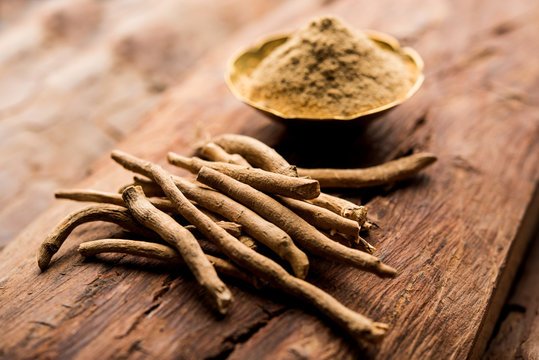
It strengthens muscles, increases endurance, and improves overall vitality, making it beneficial for athletes and individuals with fatigue or low energy.
Ashwagandha stimulates white blood cell production and improves the body’s immune response, protecting against infections and chronic fatigue disorders.
Ashwagandha helps regulate thyroid and adrenal hormones, improving mood, metabolism, and reproductive health in both men and women.
Ashwagandha promotes healthy testosterone levels, enhances muscle growth, and reduces recovery time after workouts or physical exertion.
Regular use enhances stamina, energy levels, and muscle tone, helping individuals recover faster from weakness, tiredness, or prolonged illnesses.
Ashwagandha improves concentration, reduces anxiety, and boosts confidence by calming the nervous system and balancing stress hormones naturally.
It supports fertility by improving sperm quality in men and balancing menstrual cycles and hormones in women for overall reproductive wellness.
By promoting white blood cell production, Ashwagandha increases disease resistance and protects the body from frequent colds and infections.
It helps manage diabetes by supporting insulin secretion and maintaining stable blood glucose levels throughout the day.
Better overall vitality and sense of well-being in body and mind.
Fasting and postprandial blood glucose tests help determine Ashwagandha’s effect on glucose metabolism, assessing its role in improving insulin sensitivity and controlling diabetes.
This test checks cholesterol and triglyceride levels to analyze Ashwagandha’s ability to reduce LDL cholesterol and promote better cardiovascular function.
Helps monitor liver enzymes and detoxification processes since Ashwagandha supports liver health and enhances metabolic and antioxidant activities naturally.
Assesses urea and creatinine levels to ensure safe metabolism and excretion of Ashwagandha compounds through the renal system.
Evaluates red and white blood cell counts to study Ashwagandha’s impact on immunity, oxygen transport, and overall blood health.
Psychometric scales such as DASS or Beck’s Anxiety Inventory can measure Ashwagandha’s effectiveness in reducing stress, anxiety, and promoting calmness.
Used to monitor Ashwagandha’s effects on testosterone levels, sperm quality, and fertility parameters in males, ensuring reproductive health improvement.
Copyright © 2025 – Designed by Camsol Advertising