
Epilepsy is a chronic neurological disorder characterized by the recurrent, unsafe seizures caused by abnormal electrical activity in the brain. Seizures may vary in severity, frequency and symptoms, affecting movement, sensation, awareness, or behavior. This can occur at any age and result in genetic factors, brain injuries, infections, strokes or developmental disorders. Initial diagnosis and proper treatment can help control the recovery and improve the quality of life.
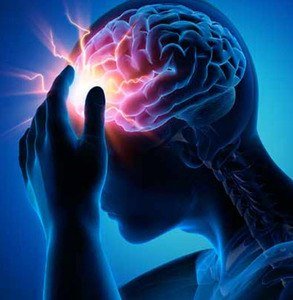
The seizures arise in a specific area of one side of the brain, causing symptoms such as the audience's twitch, abnormal sensations, or changes in awareness.
From the beginning both sides of the brain are included, leading to widespread effects such as convulsions, loss of consciousness, or staring mantras.
No identifiable brain damage or cause is found; It is often believed that genetic and usually begin in childhood or adolescence.
Occurs due to an identifiable cause such as brain injury, tumor, stroke, or infection that affects brain function.
repeated episodes of abnormal brain activity, which cause shocking movements, rigidity or staring mantras.
Some seizures result in partial or awareness.
suddenly unusual sensations such as tingling, visual glow, or a strange smell before a seizure.
during or later during a seizure, temporary confusion, unanswered, or unfair actions.
fatigue, headache, or memory loss after a seizure episode.
provides detailed images of brain structures due to seizures due to tumors, scars, or abnormalities.
uses X-rays to create cross-individual brain images to detect scan-chips, bleeding or structural abnormalities.
Identify potential infections, metabolic issues, or chemical imbalances that can trigger or deteriorate the seizure episode.
seizure starts, types and correct analysis of related behavior records electrical brain activity and video together.
measures brain metabolism and function to detect areas with abnormal activity associated with seizures.
highlight areas of blood flow converted into the brain during or later during the seizure activity.
assesses memory, attention and cognitive functions to understand the seizure effect on brain performance.
identifies inherited genetic mutations that may be responsible for some forms of epilepsy, especially in children.
Copyright © 2025 – Designed by Camsol Advertising