
Guduchi, also known as Giloy (Tinospora cordifolia), is one of the most revered herbs in Ayurveda. It is called “Amrita” in Sanskrit, meaning nectar of immortality, because of its powerful rejuvenating and healing properties. Guduchi balances all three doshas — Vata, Pitta, and Kapha — and acts as a natural immunity booster, detoxifier, and anti-inflammatory agent. It strengthens the body’s defense system, purifies the blood, and promotes longevity, vitality, and energy.
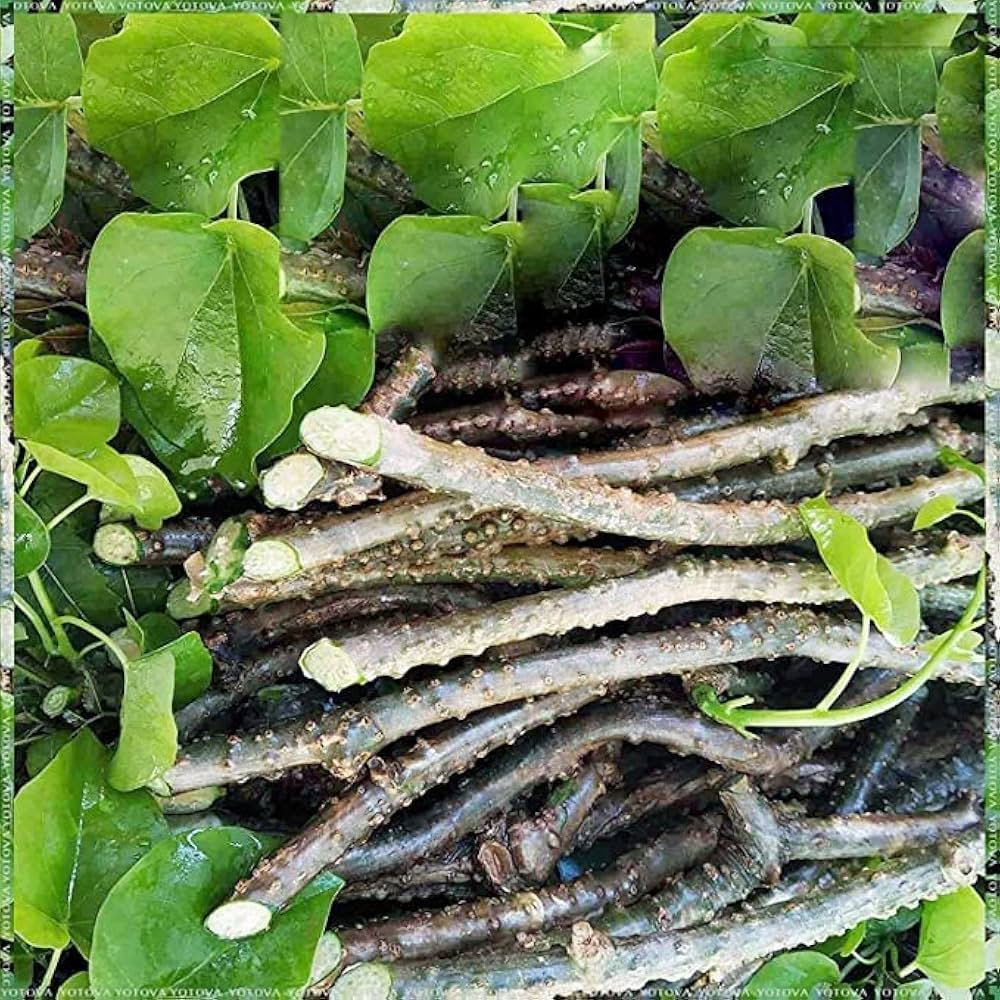
This type grows on trees with dominant Vata qualities (like Neem). It is used for treating joint pain, nervous disorders, and arthritis due to its Vata-pacifying nature.
This variety grows on trees with Pitta-dominant properties (like Mango). It is cooling in nature and effective in managing fevers, liver issues, and inflammatory conditions.
Found on Kapha-dominant trees (like Banyan), this type is helpful for respiratory issues, asthma, and sluggish metabolism due to its Kapha-reducing properties.
Guduchi is indicated when the body’s immunity, digestion, or metabolism becomes weak due to internal or external imbalances. Common causes and indications include:
Guduchi strengthens natural defense mechanisms, increases white blood cell activity, and helps the body resist bacterial, viral, and fungal infections.
It reduces inflammation and pain in joints and tissues, making it beneficial for arthritis and rheumatic conditions.
Guduchi supports liver function, detoxifies harmful substances, and promotes bile secretion, improving digestion and metabolism.
It cleanses the blood, removing toxins and improving skin health, glow, and complexion.
Guduchi helps reduce fever, especially recurrent and chronic types, by removing Ama and balancing Pitta dosha.
Monitor liver enzymes, blood sugar, and hemoglobin levels to evaluate Guduchi’s therapeutic impact and safety.
Helps ensure proper liver detoxification and assess Guduchi’s hepatoprotective effect in patients with liver issues.
Checks urea and creatinine levels to ensure safe excretion and metabolic balance during Guduchi therapy.
Used for diabetic patients to track glucose regulation and evaluate Guduchi’s hypoglycemic effect.
Observes changes in complexion, rash reduction, or healing of inflammatory skin conditions after Guduchi use.
Evaluates appetite, bowel movement regularity, and absence of Ama (undigested toxins) to confirm proper digestion.
Periodic check-ups are conducted to assess immunity levels, energy, and long-term effects of Guduchi therapy.
Copyright © 2025 – Designed by Camsol Advertising