Neem, scientifically known as Azadirachta indica, is a fast-growing evergreen tree native to the Indian subcontinent. It has been used for over 4,000 years in Ayurveda due to its antibacterial, antifungal, antiviral, anti-inflammatory, and detoxifying properties. Every part of the neem tree — leaves, bark, seeds, flowers, and oil — is beneficial for health, skin, and environment.
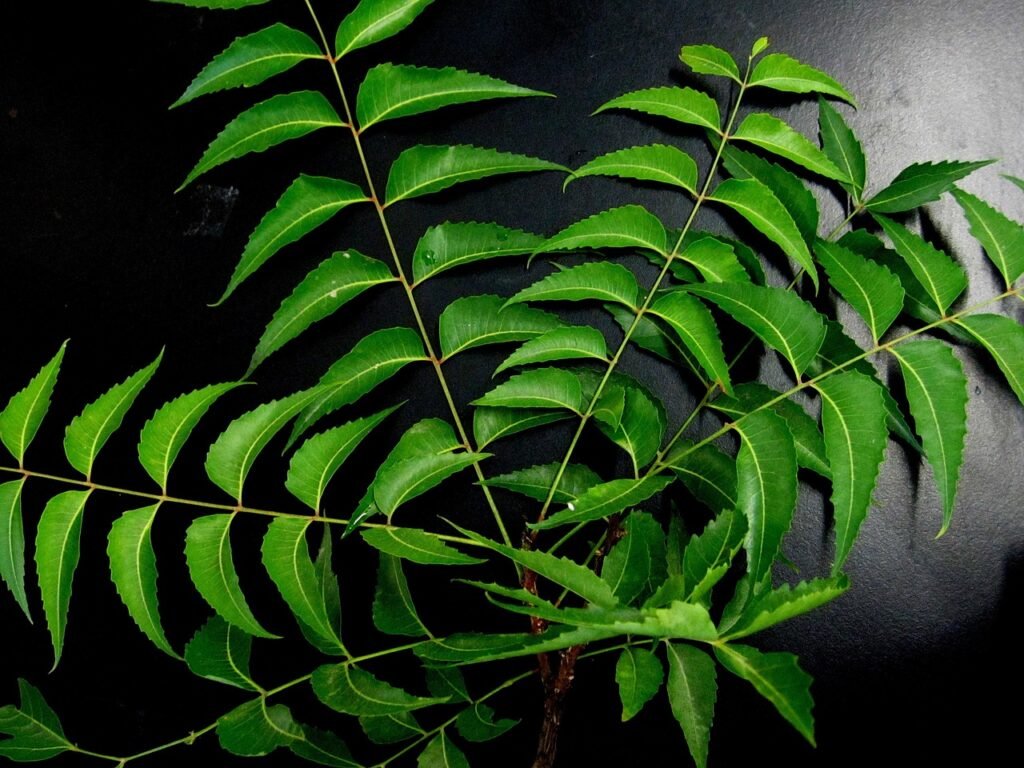
Used fresh or dried in teas, face packs, and herbal remedies.
Extracted from seeds; used for skincare, haircare, and medicinal ointments.
Used in powders or decoctions for its antibacterial properties.
Used as dietary supplements for immunity and detox.
Neem’s anti-inflammatory and antiseptic properties help reduce swelling, redness, and speed up wound healing.
It strengthens the immune system by fighting bacteria, viruses, and fungi effectively.
Neem removes toxins, prevents acne, and maintains a healthy natural glow on the skin.
It promotes liver health, improves digestion, and helps flush out body toxins.
Neem protects against fungal infections, dandruff, and insect bites for overall skin health.
This test assesses how well the liver is performing after Neem usage, monitoring bilirubin, SGPT, and SGOT levels to confirm its positive influence on liver health and detoxification efficiency.
Dermatological evaluation helps track visible improvements in acne, eczema, fungal infections, and overall skin tone, indicating Neem’s external and internal cleansing actions on the skin and blood.
Digestive health is analyzed to observe reduced bloating, acidity, and better nutrient absorption, reflecting Neem’s ability to enhance gut balance and promote a healthy metabolic proces
This investigation measures immune markers such as white blood cell count to evaluate Neem’s contribution to strengthening the immune system and preventing recurring infections or allergies.
An Ayurvedic practitioner examines the balance between Vata, Pitta, and Kapha doshas after Neem therapy to ensure restored internal harmony and reduction of excess heat or toxins.
Ayurvedic diagnostic methods like tongue observation and pulse examination are used to assess Ama (toxins), confirming Neem’s deep cleansing effect and overall systemic purification.
Physical stamina, mental clarity, and emotional stability are observed post Neem usage, indicating improved energy flow, reduced fatigue, and better body-mind rejuvenation.
Copyright © 2025 – Designed by Camsol Advertising