
Shatavari (Asparagus racemosus) is a traditional Ayurvedic herb known as the “Queen of Herbs” because of its rejuvenating and nourishing effects, especially on the female reproductive and hormonal systems. The word Shatavari literally means “she who possesses a hundred husbands”, symbolizing its ability to promote fertility, vitality, and longevity.
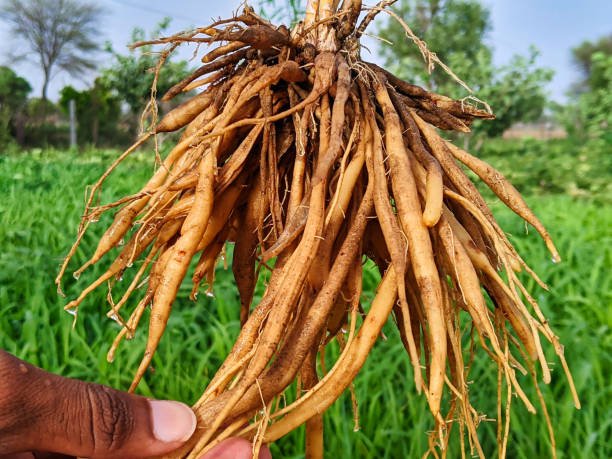
This is the most commonly used variety in Ayurveda. It is cooling, rejuvenating, and primarily used for balancing Pitta dosha, improving reproductive health, and boosting immunity.
Found in forest regions, this variety is more potent and used in classical Ayurvedic preparations for fertility and strength enhancement.
Grown in cooler climates, it is rich in antioxidants and is used in formulations aimed at promoting energy, stamina, and vitality.
This type is farm-grown and widely available in herbal medicines. It provides similar benefits with milder potency, suitable for regular use.
Shatavari is indicated when the body or reproductive system experiences weakness, imbalance, or deficiency due to stress, hormonal disturbance, or nutritional depletion. It is used in the following conditions:
Shatavari naturally supports the endocrine system, regulating estrogen and progesterone levels to maintain healthy reproductive and menstrual function in women.
It nourishes all body tissues (dhatus), restores energy, and enhances overall vitality, especially in individuals recovering from weakness or long-term illness.
Shatavari cools the digestive tract, relieves hyperacidity, and promotes better nutrient absorption, improving metabolism and gut health.
It strengthens immunity by promoting Ojas (vital energy), helping the body resist infections, fatigue, and stress-related disorders.
Shatavari enhances fertility, improves ovum quality, and in men, strengthens sperm count and vitality for better reproductive health.
Evaluates estrogen, progesterone, and thyroid hormone levels to monitor Shatavari’s impact on hormonal balance and menstrual regularity.
Helps determine overall health, blood purity, and immunity enhancement after Shatavari use.
Assesses metabolism and detoxification, ensuring the liver efficiently processes herbal compounds and nutrients.
Monitors glucose levels, as Shatavari may gently balance metabolism and regulate sugar absorption.
Includes ultrasound or gynecological evaluation to observe improvements in fertility, ovulation, and uterine health.
Tracks changes in stress levels, mood, and sleep quality to verify Shatavari’s adaptogenic and calming effects.
Regular assessment of digestion, hormonal cycle, and vitality ensures proper dosage and confirms rejuvenation benefits.
Consider relevant tests from Box 18.26, especially if the cause of CKD is unknown (ACE = angiotensin-converting enzyme; ARB = angiotensin II receptor blocker; CKD = chronic kidney disease; HIV = human immunodeciency virus; 25(OH)D = 25-hydroxyvitamin D)
Copyright © 2025 – Designed by Camsol Advertising